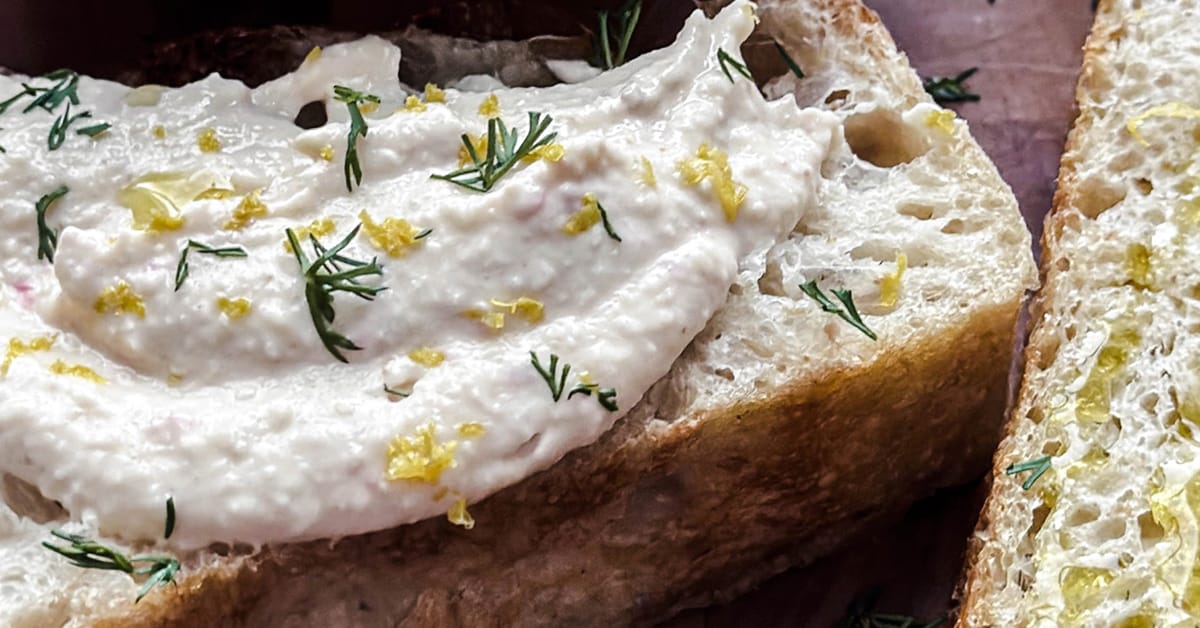
Step into the vibrant world of Greek cuisine, and you'll soon discover the irresistible charm of taramosalata. More than just a dip, this creamy, savory spread is a culinary cornerstone, deeply rooted in tradition and beloved for its unique flavor. Derived from the Greek words taramás (fish roe) and salata (salad), taramosalata is a quintessential Mediterranean appetizer that offers a burst of tangy, briny deliciousness with every spoonful. Whether you're a seasoned chef or a home cook eager to explore new flavors, mastering this classic Greek fish roe dip is a rewarding journey that promises to elevate your meze platter and impress your guests.
The Cultural Significance of Taramosalata
For many, taramosalata is intrinsically linked to a significant cultural event in Greece: Clean Monday, or Kathara Deftera. This day marks the beginning of Great Lent for Orthodox Christians, a period of strict fasting that prepares the faithful for Easter. During Lent, traditional fasting rules prohibit the consumption of meat, dairy products, and eggs. However, shellfish and fish roe are permitted, making taramosalata a popular and cherished dish during this time.
On Clean Monday, families gather to enjoy a traditional feast, with taramosalata taking pride of place alongside other Lenten delicacies. It's most famously served as an accompaniment to lagana, a special unleavened flatbread baked exclusively for the occasion. This culinary tradition underscores the dip's role not just as a delicious appetizer, but as a symbol of cultural heritage and spiritual observance. Yet, its appeal transcends this specific season; taramosalata is a versatile Greek dip enjoyed year-round, adding a touch of Mediterranean flair to any meal or gathering. For a deeper dive into its cultural roots and Lenten significance, explore The Greek Taramosalata: A Lenten Tradition & Savory Dip.
Unveiling the Key Ingredients for Authentic Taramosalata
While some traditional recipes for taramosalata incorporate starches like boiled potatoes or soaked bread to create volume and a thicker consistency, many modern approaches, particularly the "easy" versions, focus on just a few core ingredients that truly let the unique flavor of the fish roe shine. This streamlined method not only speeds up preparation but often results in a lighter, fluffier dip.
The Star: Tarama (Cured Fish Roe)
At the heart of any authentic taramosalata is the tarama itself. This cured fish roe, typically from carp, is what gives the dip its distinctive salty, briny, and umami-rich flavor. You'll generally find two types: white tarama, which is less processed and offers a more delicate flavor, and pink tarama, which is often dyed and can have a stronger, more intense taste. While both work, many purists prefer white tarama for its authentic, less artificial profile. Choosing a high-quality tarama is paramount, as it dictates the overall taste of your dip.
The Brightness: Fresh Lemon Juice
Freshly squeezed lemon juice is not just an optional addition; it's a critical component. Its vibrant acidity cuts through the richness and saltiness of the tarama, balancing the flavors and adding a refreshing tang. The amount can be adjusted to your preference, making the dip as zesty as you desire. Always opt for fresh lemons; bottled juice simply won't achieve the same bright, authentic flavor.
The Aromatic Base: Onion
A small amount of finely diced yellow onion provides an aromatic depth and a subtle pungent kick that complements the fish roe beautifully. When blended, the onion virtually disappears into the dip, leaving behind only its essential oils and flavor. Some cooks prefer to grate the onion to ensure an even smoother texture and prevent any noticeable chunks.
The Emulsifier: Light-Flavored Oil
The choice of oil is crucial for achieving the desired light and fluffy consistency without overpowering the delicate flavors of the tarama. A mild-flavored oil, such as canola oil, is often recommended for the easy, potato-free versions. Unlike robust olive oils which can sometimes be too strong for this specific dip, a neutral oil allows the tarama and lemon to truly sing. It's the oil that, when slowly incorporated, emulsifies with the other ingredients, transforming them into a silky, airy dip.
Crafting Your Taramosalata: A Step-by-Step Guide to Perfection
One of the joys of making taramosalata at home, especially with the simplified 4-ingredient method, is how quickly and effortlessly it comes together. You don't need to boil potatoes or soak bread, which saves significant time. The magic happens with an immersion blender, turning simple ingredients into a gourmet dip in minutes.
Preparation and Initial Blend
- Gather Your Tools: For best results with an immersion blender, select a narrow container. A 750 ml mason jar or the beaker that often comes with your immersion blender is ideal. The opening should be only slightly wider than your blender head.
- Combine the Core: Begin by placing your tarama, diced onion, and fresh lemon juice into your chosen container. Give them about 5 minutes to sit. This brief resting period allows the tarama to soften slightly and the flavors to begin melding, preparing them for blending.
- The First Whir: Insert your immersion blender into the container, pushing it firmly to the bottom over the ingredients. Turn the blender on high and hold it steady for about 10-15 seconds. You'll notice the ingredients starting to combine and break down.
The Emulsification Magic
- Slow Oil Introduction: With the blender still running on high and held firmly at the bottom, begin to slowly pour in your light-flavored oil in a thin, steady stream. It's essential not to move the blender at this stage. You'll observe the mixture starting to emulsify, thickening and lightening in color.
- Achieving Fluffy Perfection: As the emulsification begins, you can gently start to move the immersion blender up and down through the mixture. Continue adding the oil slowly while moving the blender, ensuring everything is thoroughly combined. Keep blending and moving until your taramosalata achieves a beautifully light, fluffy, and creamy consistency. This entire blending process should take approximately 5 minutes. Don't forget to occasionally scrape any mixture clinging to the blades of your immersion blender to maintain efficiency.
Taste, Adjust, and Serve
Once you've reached the desired texture, the crucial final step is to taste and adjust the seasoning. The saltiness of tarama varies, so you might want to add a little more lemon juice for extra tang, or a tiny pinch of salt if absolutely needed (though typically not necessary). Your homemade taramosalata is now ready!
Serve this delightful dip with warm pita bread, crusty baguette, fresh vegetables, or, for a truly authentic experience, with traditional lagana. It's also a fantastic addition to any meze platter, accompanied by olives and a simple salad. The quick 5-minute preparation makes it an ideal choice for spontaneous entertaining or a last-minute craving. For a detailed, printable recipe and visual guide to this quick method, check out Make Easy 4-Ingredient Taramosalata in 5 Minutes at Home.
Tips for the Perfect Taramosalata Every Time
- Quality Ingredients are Key: The fewer ingredients, the more each one matters. Invest in good quality tarama and fresh lemons for the best flavor.
- Temperature Matters: Ensure your tarama and onion are at room temperature. This helps with better emulsification and a smoother blend.
- Patience with the Oil: The slow, steady stream of oil is critical. Pouring too quickly can "break" the emulsion, resulting in a thin or oily dip.
- Don't Over-blend: While you want it fluffy, continuous blending past the desired consistency can sometimes make the dip too airy or lose some flavor intensity. Blend until just light and creamy.
- Adjust to Your Palate: Taste frequently as you blend. Some prefer a tangier dip, others a milder one. Don't hesitate to add more lemon juice gradually until it's perfect for you.
- Experiment with Onion Intensity: If raw onion is too strong for your liking, you can grate it instead of dicing, or even soak it in a little cold water for a few minutes before adding to mellow its flavor.
- Storage: Store leftover taramosalata in an airtight container in the refrigerator for up to 3-5 days. The flavors often deepen over time.
- Variations: While the 4-ingredient version is fantastic, don't shy away from exploring traditional recipes that use soaked bread or boiled potato for a denser, more filling dip. A tiny hint of garlic or a sprinkle of fresh dill can also add interesting dimensions if you're feeling adventurous.
Mastering taramosalata is more than just learning a recipe; it's an invitation to experience a piece of Greek culinary tradition. Its delightful blend of savory, salty, and tangy notes makes it an incredibly versatile dip, perfect for a casual snack, an elegant appetizer, or a festive gathering. With just a few simple ingredients and an immersion blender, you can effortlessly create this authentic and flavorful fish roe dip right in your own kitchen. So go ahead, whip up a batch, and let your taste buds travel to the sun-drenched shores of Greece!
