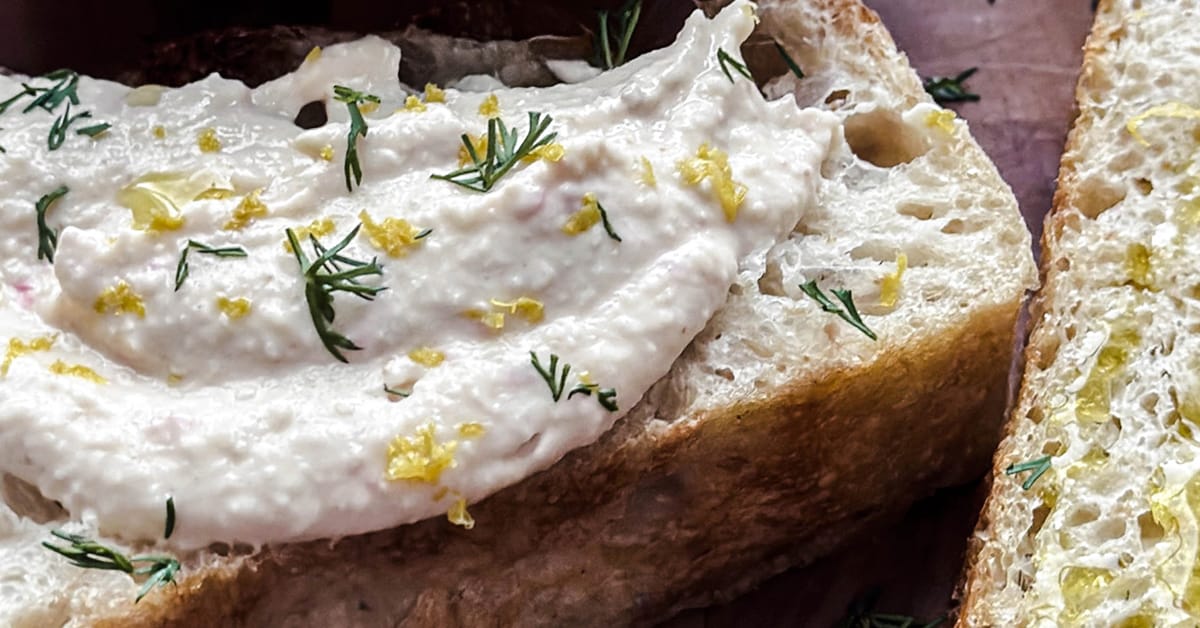
The Greek Taramosalata: A Lenten Tradition & Savory Dip
In the vibrant tapestry of Greek cuisine, few dishes encapsulate tradition, flavor, and cultural significance quite like taramosalata. This iconic, creamy dip, derived from the Greek words taramás (fish roe) and salata (salad), is more than just a delicious appetizer; it's a culinary cornerstone, particularly during one of the most significant periods in the Greek Orthodox calendar. Known for its distinct savory profile and often beautiful pale pink hue, taramosalata offers a unique taste of Greece that's both deeply traditional and incredibly versatile.
The Rich History and Cultural Significance of Taramosalata
For Orthodox Christians in Greece and around the world, the arrival of Lent is marked by a day of profound spiritual and culinary significance: Clean Monday, or Kathara Deftera. This day signals the beginning of the Great Lent, a 40-day period of fasting and reflection leading up to Easter. During Lent, strict dietary rules apply, prohibiting meat, eggs, and dairy products. However, one category of food remains permissible and indeed celebrated: seafood, including shellfish and, crucially, fish roe.
This is where taramosalata takes center stage. Its allowance under Lenten rules makes it a cherished and indispensable part of the Clean Monday feast. Alongside other delicious fasting-friendly dishes like legumes, olives, and pickled vegetables, taramosalata is traditionally served as a key accompaniment to lagana, a special dimpled flatbread baked exclusively for the occasion. The act of sharing taramosalata and lagana on Clean Monday is a deeply rooted tradition, symbolizing both the start of the penitential period and a communal gathering before the more austere days of fasting. Its rich flavor and satisfying texture provide a comforting and delicious start to a period of abstinence, making it a powerful symbol of Greek heritage and religious observance.
What Exactly is Taramosalata? Unpacking the Ingredients
At its heart, taramosalata is a savory dip crafted from cured fish roe, typically from carp. This primary ingredient, known as tarama, is what gives the dip its characteristic salty, umami-rich flavor and, depending on the type of roe used, its sometimes striking color. You might encounter both white and pink tarama, with the pink variety often being dyed, while the white is closer to its natural state and generally considered higher quality by connoisseurs, offering a more delicate flavor profile.
While the star of the show is undeniably the tarama, the supporting cast of ingredients plays an equally vital role in creating the dip's balanced and addictive taste. These typically include:
- Freshly Squeezed Lemon Juice: Essential for cutting through the richness of the roe, providing a bright, tangy counterpoint that elevates the overall flavor.
- Onion: A small amount of diced yellow onion adds a subtle pungency and aromatic depth, complementing the savory fish roe without overpowering it.
- Light-Flavored Oil: An oil such as canola is often preferred in modern, lighter recipes because its mildness allows the distinct flavor of the tarama to shine through. Traditional recipes, however, might use olive oil.
It's interesting to note the variations in taramosalata recipes. While the above list details a popular, lighter four-ingredient version, many traditional recipes incorporate a binder to achieve a thicker, more substantial consistency. These binders often include boiled potatoes or soaked bread. Both versions are incredibly delicious, and the choice often comes down to personal preference or family tradition. The potato-based version yields a creamier, denser dip, while the bread-based one can be wonderfully fluffy. However, the simplified four-ingredient approach offers an incredibly quick and easy way to enjoy this Greek classic without sacrificing flavor, making it accessible to even the most novice home cooks.
Crafting the Perfect Taramosalata at Home: A Step-by-Step Guide
One of the most appealing aspects of taramosalata is how surprisingly simple it is to make, especially the streamlined four-ingredient version. Forget complex techniques or lengthy preparation times; with the right tools, you can whip up this savory appetizer in as little as five minutes. This speed and ease make it a perfect addition to your weekly repertoire or an impressive last-minute dish for guests.
Here’s a practical breakdown of how to achieve that light, fluffy, and utterly delicious homemade taramosalata:
- Initial Combination: Begin by placing your *tarama* (approximately 1/2 cup), a peeled and diced yellow onion (about 1/4 of a medium onion), and the juice of one freshly squeezed lemon (roughly 1/4 cup) into a narrow container. A 750ml mason jar or the container that often comes with an immersion blender works perfectly. The key is to choose a container with an opening only slightly wider than your immersion blender's head. Let this mixture sit for about 5 minutes. This brief resting period allows the onion and *tarama* to soften slightly, preparing them for blending and enhancing the flavor integration.
- The Art of Emulsification: This is where the magic truly happens. Insert your immersion blender into the container, pushing it firmly to the bottom, ensuring it covers the ingredients. Turn the blender on high and hold it steady in this position for about 10-15 seconds. You'll start to see the initial ingredients combining and forming a rough paste.
- Slow Oil Introduction: While keeping the blender running on high and still at the bottom, begin to slowly pour in a light-flavored oil, such as canola oil (approximately 1 to 1.5 cups, or as needed). The key here is patience and a steady hand. Do not move the blender much at first. As you continue to pour the oil, you'll observe the mixture starting to emulsify – transforming from separate ingredients into a cohesive, creamy texture. This is a fascinating chemical process where the fat from the oil is dispersed throughout the water-based ingredients, creating a stable, smooth emulsion.
- Achieving Fluffy Perfection: Once the emulsification process has clearly begun, you can slowly start moving the immersion blender up and down within the mixture. Continue adding the oil gradually and moving the blender until your taramosalata achieves a light, airy, and fluffy consistency. This entire blending process, from start to finish, should take around 5 minutes. During this time, it's a good practice to occasionally scrape the blades of your immersion blender clean, ensuring it continues to operate efficiently and blends all ingredients thoroughly.
Once your taramosalata has reached its desired consistency, taste it and adjust as needed. You might want to add a touch more lemon juice for extra tang or a tiny pinch of salt if your tarama wasn't particularly salty. Remember, the goal is a harmonious balance of salty, savory, and tangy notes. For a detailed walkthrough of this quick method, check out our guide on Making Easy 4-Ingredient Taramosalata in 5 Minutes at Home.
Serving Suggestions and Culinary Versatility
Once you’ve mastered the art of making taramosalata, the possibilities for serving it are endless. While its role during Clean Monday with lagana bread is sacrosanct, this delightful Greek dip transcends seasonal boundaries and fits perfectly into a variety of culinary contexts.
Beyond tradition, taramosalata is a fantastic component of a Greek meze platter. Picture it alongside Kalamata olives, cubes of feta, crunchy cucumber slices, roasted bell peppers, and other classic dips like tzatziki or melitzanosalata. It provides a distinct flavor profile that beautifully complements other elements, offering a rich, savory counterpoint to fresh vegetables or tangy cheeses.
For everyday enjoyment, serve your homemade taramosalata with warm pita bread, crusty artisan bread, or even a selection of fresh crudités like carrot sticks, celery, and bell pepper strips for a lighter, healthier option. Its creamy texture also makes it an excellent spread for sandwiches or wraps, adding a sophisticated Greek twist to a simple lunch. Garnish your taramosalata with a drizzle of high-quality olive oil, a sprinkle of fresh parsley, or a dash of paprika for an extra touch of color and flavor.
Its versatility means it can easily transition from a celebratory Lenten dish to a casual snack, an elegant appetizer, or even a light lunch when paired with a fresh side salad. If you're interested in exploring other nuances and perhaps a more traditional recipe incorporating bread or potato, delve into our article on Mastering Classic Greek Taramosalata: Versatile Fish Roe Dip.
Conclusion
Taramosalata is more than just a dip; it's a culinary journey rooted in Greek tradition, a testament to the country's rich gastronomic heritage. From its deep cultural ties to Clean Monday to its surprisingly simple preparation and incredible versatility, this savory fish roe dip offers a unique and unforgettable flavor experience. Whether you're observing Lent, hosting a gathering, or simply craving an authentic taste of Greece, making taramosalata at home is a rewarding endeavor. Its transformation from humble ingredients into a light, fluffy, and intensely flavorful dip truly feels like magic, promising to become a cherished addition to your recipe collection.
